







Skid-Mounted Wastewater Treatment Plant
A skid-mounted wastewater treatment plant provides a flexible, efficient solution for municipal, industrial, and aquaculture wastewater challenges. Designed for rapid deployment and reliable operation, these integrated systems help organizations reduce pollutants, optimize resource use, and meet evolving environmental standards. Shandong Wit Environmental Protection Technology Co., Ltd. delivers advanced, science-driven wastewater treatment solutions backed by extensive engineering experience and a commitment to sustainable environmental improvement.
Why packaged wastewater systems are receiving renewed attention
Wastewater projects are often discussed as if every site requires a conventional civil-works treatment plant. That assumption is becoming less practical. Industrial expansion frequently takes place in leased facilities, remote production areas, temporary processing sites, ports, mining zones, aquaculture clusters, and fast-growing peri-urban districts where construction time, available land, and utility conditions are limited.
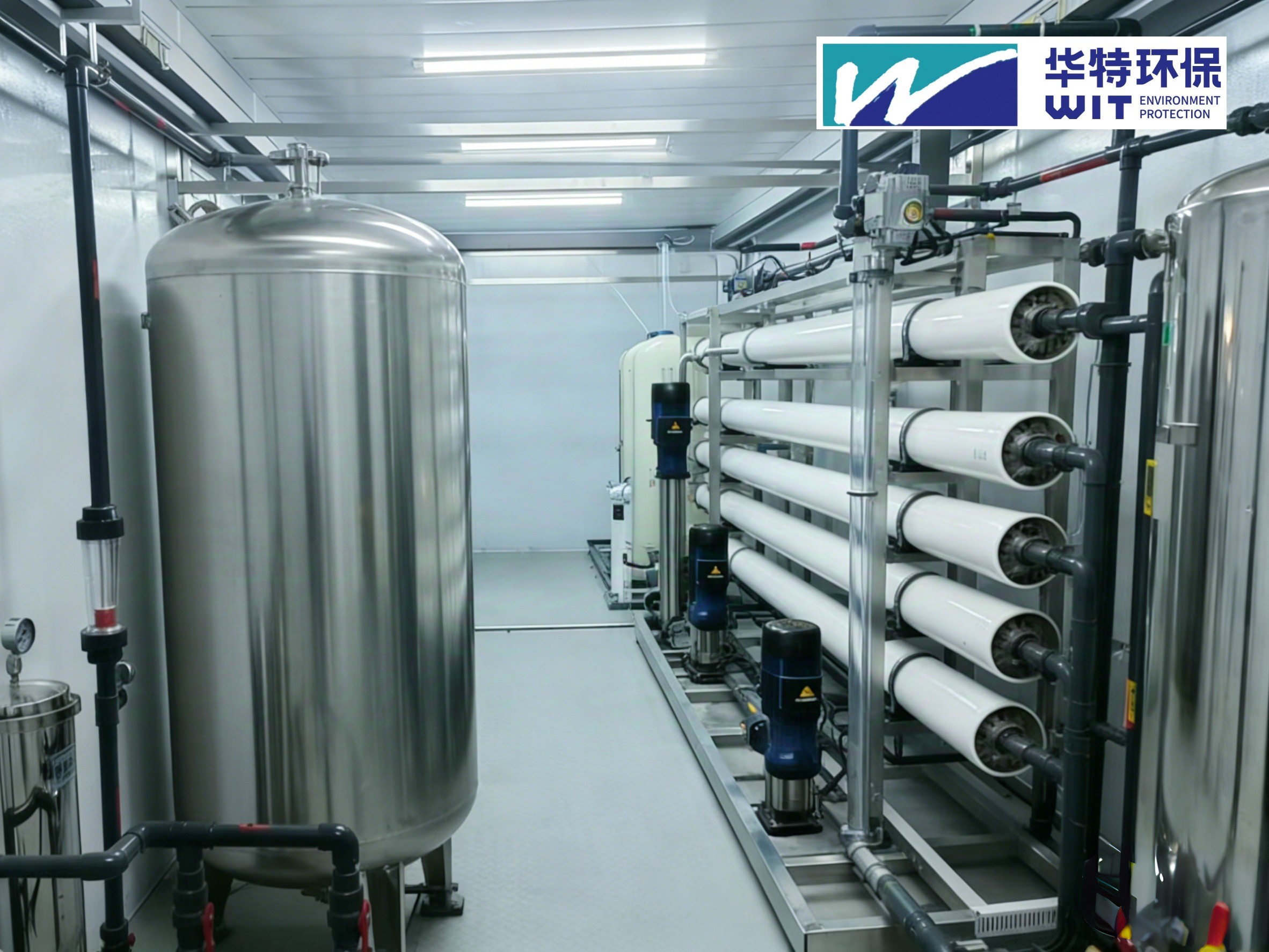
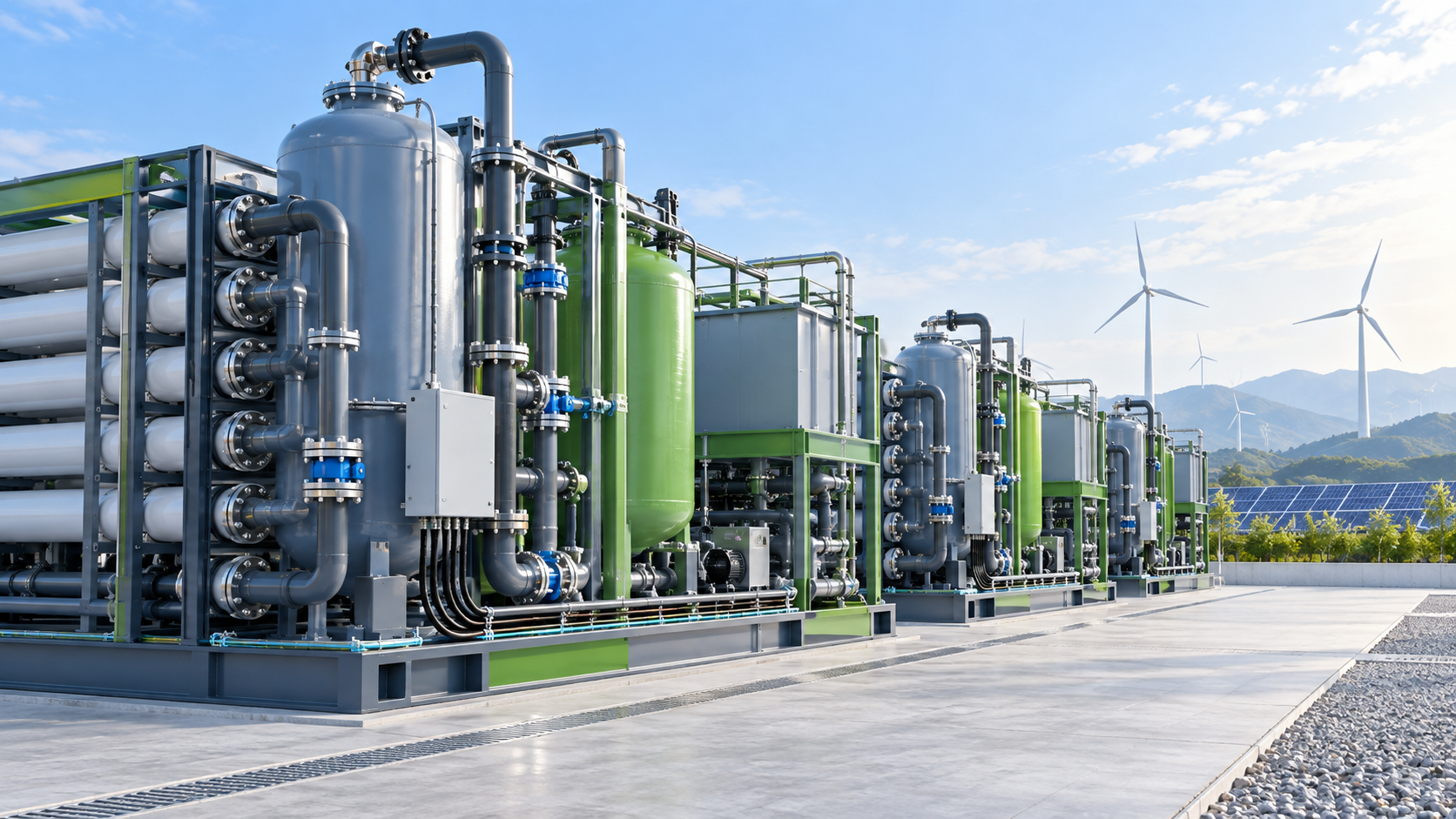
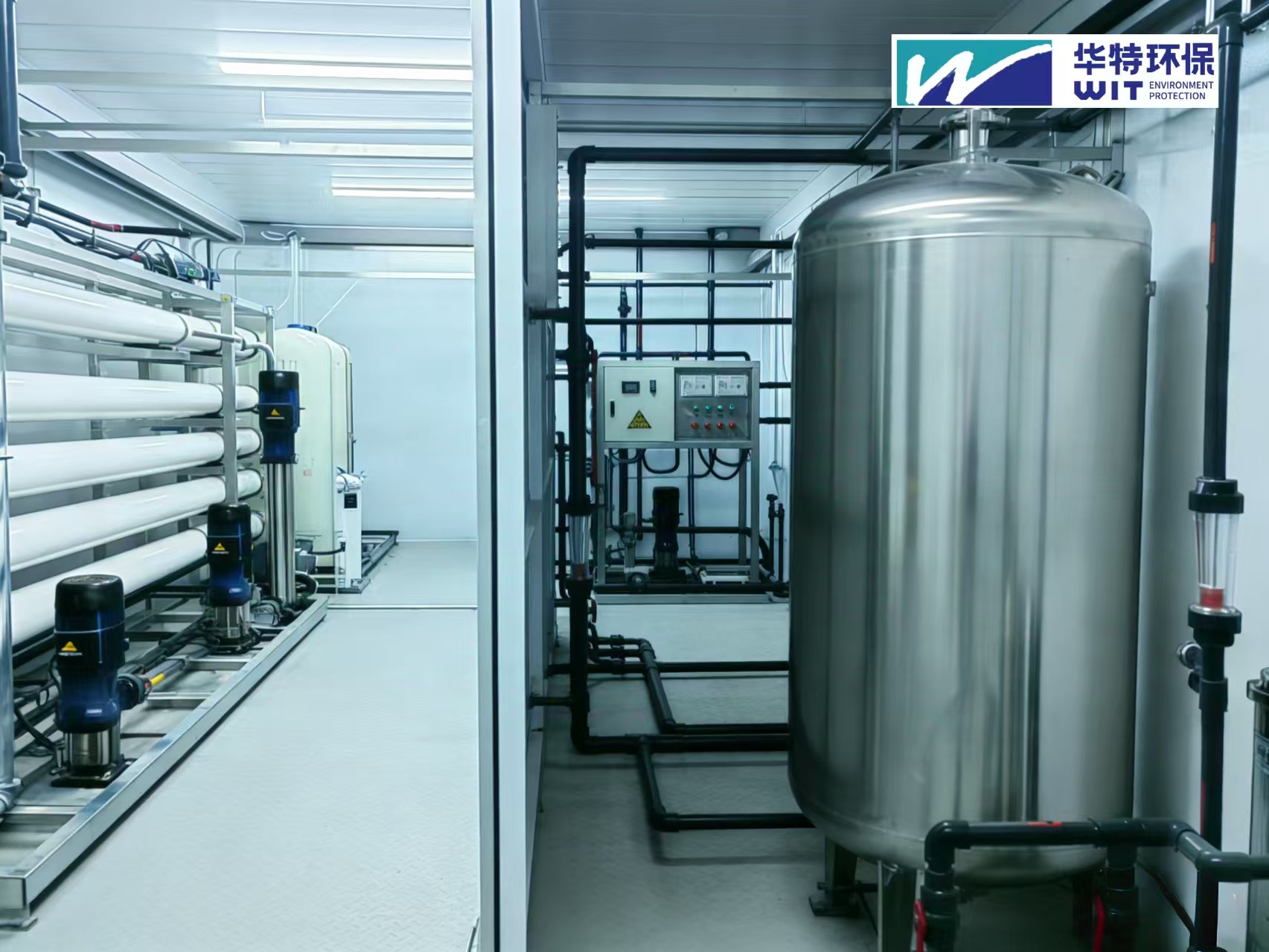
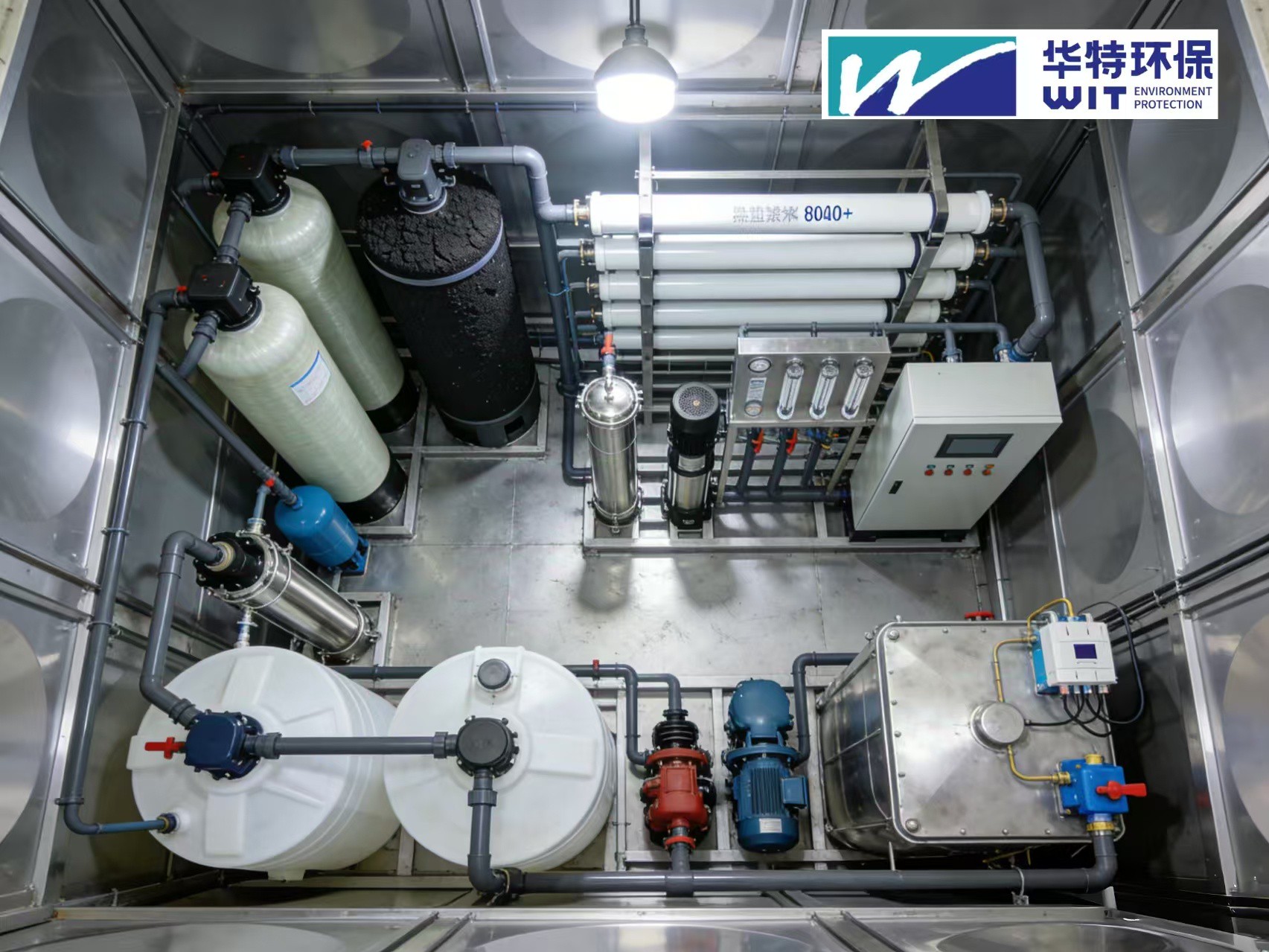
In these circumstances, a skid-mounted wastewater treatment plant can reduce the gap between a discharge problem and an operational solution. The main treatment units are assembled on one or more structural skids, tested before shipment, transported to site, connected to influent, power, chemicals, and discharge or reuse lines, then commissioned as an integrated package.
The value is not simply mobility. A properly designed skid system can standardize equipment quality, shorten site installation work, and make future expansion or relocation more manageable. For project owners, the relevant question is therefore not whether a packaged plant is “better” than a conventional plant. It is whether the wastewater characteristics, required capacity, site constraints, and long-term operating model justify a modular approach.
A skid is an engineering format, not a treatment process
A common procurement error is to treat skid-mounted equipment as a single treatment technology. In reality, the skid is the delivery and installation format. The biological, physical, chemical, and advanced treatment processes inside it must still be selected according to the wastewater.
A typical configuration may include screening, equalization, pH adjustment, coagulation and flocculation, clarification or dissolved air flotation, biological treatment, membrane separation, filtration, disinfection, sludge dewatering, and automated control. Some projects need only a compact physicochemical unit. Others require a multistage system combining anaerobic, aerobic, membrane, and polishing processes.
For municipal or domestic wastewater, the design emphasis is commonly placed on stable removal of suspended solids, organic matter, nutrients, and pathogens. Industrial wastewater may present a more difficult profile: fluctuating pH, high salinity, emulsified oil, dyes, toxic compounds, refractory COD, heavy metals, or intermittent batch discharges. Aquaculture projects face another combination of solids, ammonia, organic residues, feed-related nutrients, and biosecurity requirements.
Because of these differences, suppliers should not begin by offering a standard capacity model alone. They need representative influent data, daily and peak flow rates, production schedules, temperature conditions, discharge targets, and information about upstream cleaning chemicals or process changes. A compact footprint does not eliminate the need for sound process design.
Where rapid deployment creates a genuine business advantage
Skid-mounted systems are particularly useful when construction risk is more costly than equipment cost. A factory facing an approaching production start date may not be able to wait for a long civil construction program. A food-processing facility may need additional treatment capacity after expanding output. A decentralized community may require a treatment solution before a centralized sewer connection is available. In these cases, factory-built modules can reduce on-site fabrication and coordination work.
Another strong application is phased development. Instead of building a large plant for an uncertain future load, an owner can install an initial module and add treatment capacity when wastewater flow is proven. This approach can protect capital expenditure, although it works only if hydraulic connections, electrical infrastructure, sludge handling, and available space are planned for later expansion.
Relocatable treatment is also relevant to temporary construction camps, emergency environmental response, seasonal processing, and certain resource-development projects. However, “relocatable” should not be confused with “plug-and-play under all conditions.” Transport dimensions, lifting points, local foundations, freeze protection, ventilation, chemical storage, and operator access must be resolved before delivery.
The real selection criteria extend beyond treatment capacity
Capacity is often expressed in cubic metres per day, but this number can be misleading when buyers compare proposals. A plant designed for an average flow may fail under peak hydraulic loading. Likewise, a system designed around average influent COD may be inadequate when a production washdown cycle produces a much stronger short-duration discharge.
Procurement teams should examine at least five areas before comparing quotations.
Influent variability. The most important question is not only “What is the normal wastewater quality?” but “How far can it deviate?” Equalization capacity and automatic chemical control can be as important as the core treatment unit when flows or pollutant loads are unstable.
Effluent obligation. The required standard depends on the discharge route: municipal sewer, surface water, reuse system, or zero-liquid-discharge-related treatment chain. Each route produces a different treatment target and cost profile. Reuse applications may require additional barriers for turbidity, microbiological quality, dissolved solids, or specific contaminants.
Operating resources. Highly automated equipment still requires trained personnel. Operators must understand chemical dosing, sludge removal, membrane cleaning where applicable, alarms, sampling, and routine maintenance. Remote monitoring is valuable, but it does not replace site-level response capability.
Consumables and utilities. Electricity, coagulants, polymers, pH chemicals, disinfection agents, replacement membranes, filter media, and spare parts should be evaluated over the expected operating period. A low initial equipment price can become expensive if chemical demand or maintenance frequency is underestimated.
Sludge management. Wastewater treatment does not make pollutants disappear; many are transferred into sludge or concentrate streams. Dewatering, storage, characterization, transport, and compliant final disposal must be included in the project boundary.
Pre-treatment often determines whether downstream equipment performs as promised
Many packaged plant failures originate upstream. Oil, grit, fibrous material, high suspended solids, abrupt pH shocks, or poorly segregated chemical wastewater can overload even a well-designed biological or membrane process. In industrial projects, wastewater segregation is frequently a lower-cost improvement than adding complexity to the end-of-pipe treatment plant.
Where water reuse or high-quality process water is part of the wider site strategy, pre-treatment deserves equal scrutiny. Filtration, softening, activated carbon, ultrafiltration, or other conditioning steps may be needed to protect downstream systems from fouling or scaling. Equipment such as Pure Water Pre-treatment Equipment should be assessed in relation to the complete water balance, rather than treated as an isolated utility purchase.
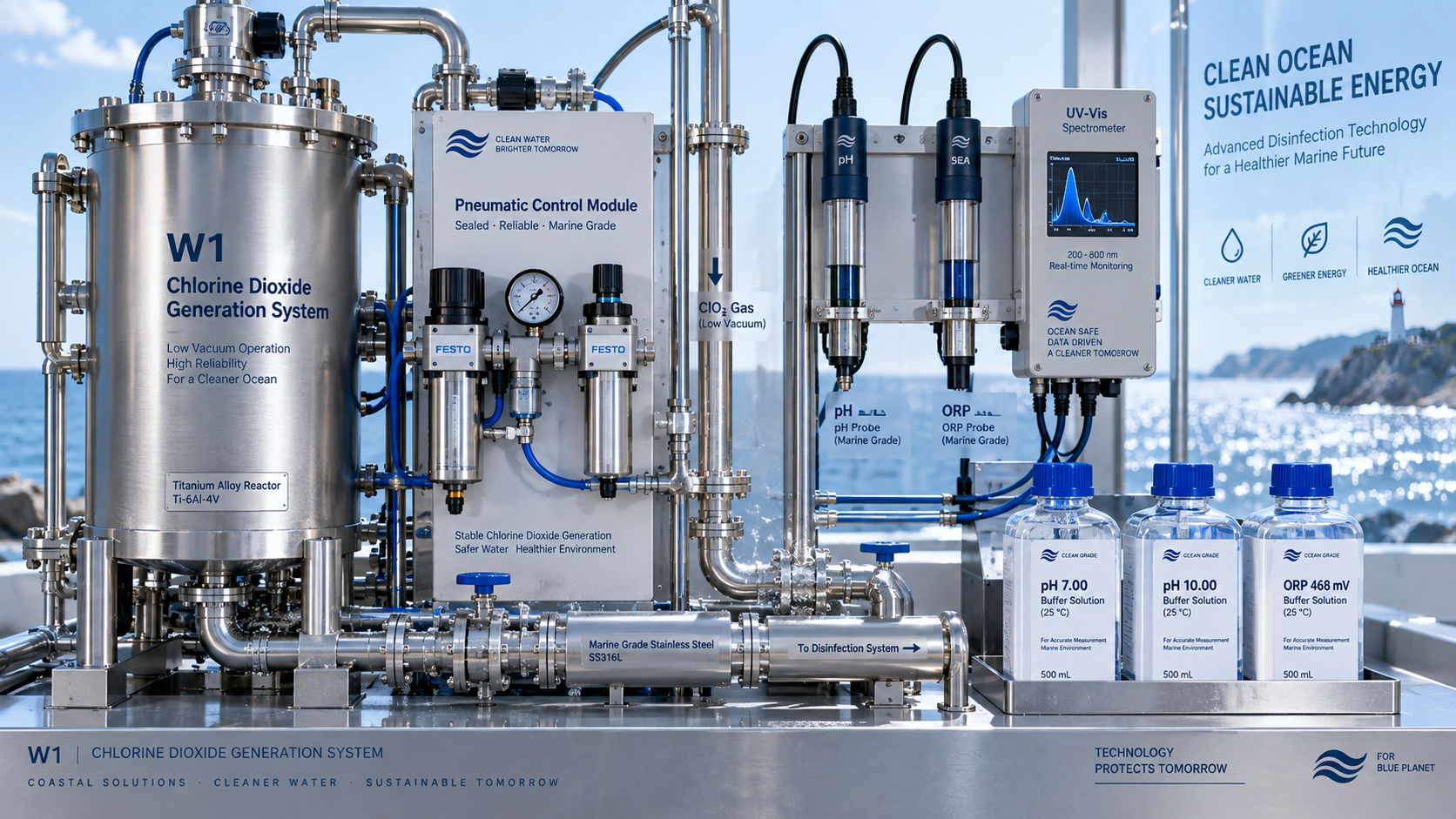
The same principle applies to chlorine-based disinfection or oxidation systems. Chlorine dioxide can be relevant in specific water-treatment and disinfection applications, but selection must consider water chemistry, dosage control, residual management, safety procedures, and local compliance requirements. It should be integrated into a process strategy, not added merely because disinfection is required.
Factory integration improves consistency, but site interfaces remain critical
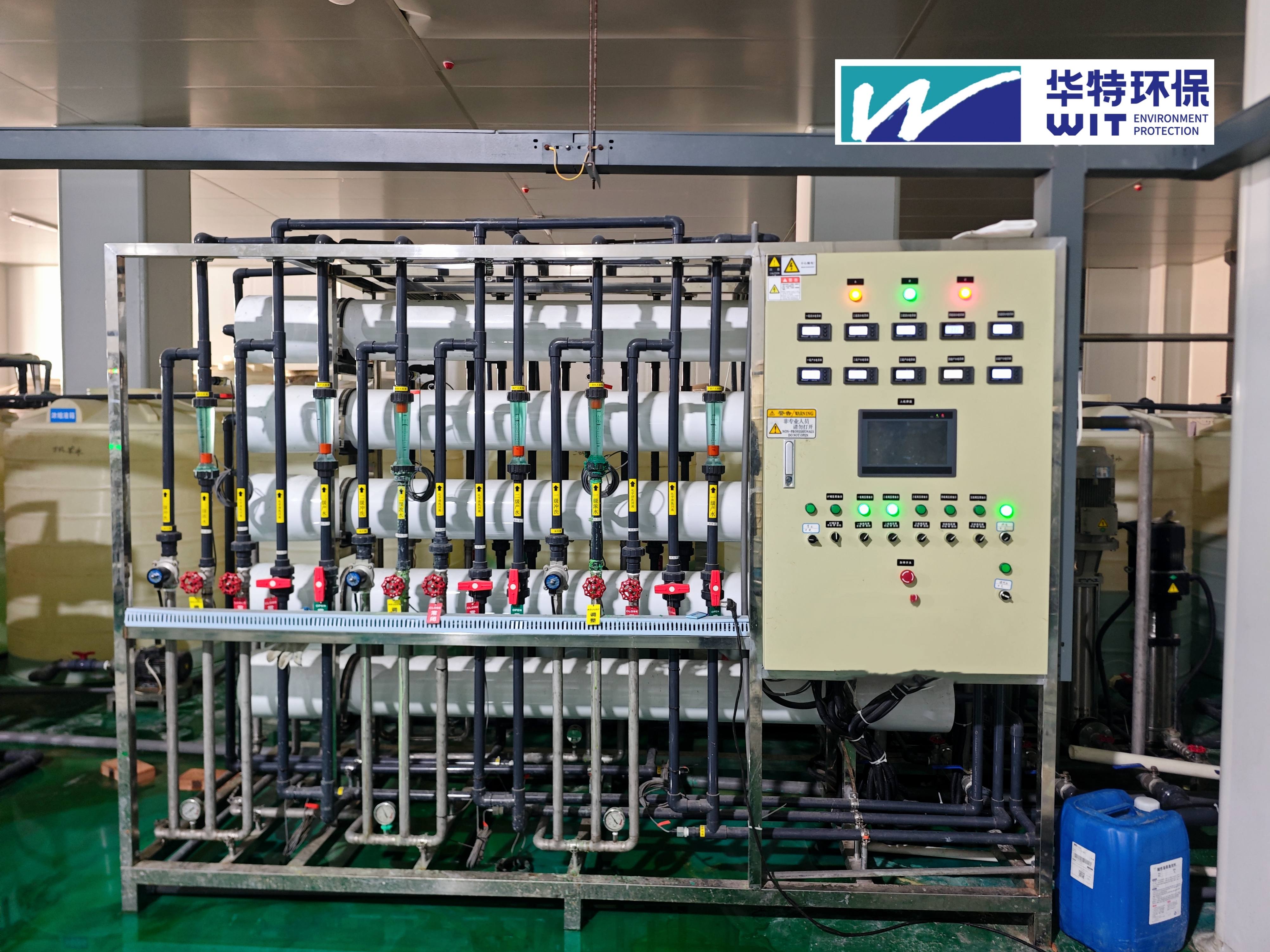
One advantage of skid-mounted wastewater treatment plants is that pumps, tanks, instruments, valves, control panels, and pipework can be assembled under controlled manufacturing conditions. This may reduce field welding, improve accessibility, and make factory testing more meaningful. It can also simplify shipping documentation and installation sequencing for cross-border projects.
Yet the most expensive commissioning delays typically occur at the interfaces outside the skid. Incoming wastewater may arrive at a different elevation or pressure than assumed. The site may lack stable electrical supply. Chemical rooms may not meet ventilation or containment needs. Drainage around the equipment may be inadequate. Local operators may receive too little training. Cold climates can create freeze risks for exposed pipework and tanks; hot climates may affect biological performance and odour control.
A serious technical proposal should therefore define clearly what is included in the skid package and what remains the buyer’s responsibility. Civil works, influent pumping, site piping, electrical connection, standby power, chemical storage, laboratory testing, sludge transport, and remote communication systems are often treated as secondary items until late in the project. They should be addressed during the design review.
How buyers can assess supplier capability more effectively
For wastewater equipment, a reference list alone is not enough. Buyers should ask whether the supplier has experience with comparable influent characteristics, not merely a similar flow rate. Municipal wastewater, textile effluent, pulp-related wastewater, landfill leachate, aquaculture discharge, and food-processing wastewater may all require different treatment responses.
Technical due diligence should include process flow diagrams, hydraulic calculations, equipment material specifications, instrumentation lists, expected chemical consumption, sludge output estimates, automation logic, commissioning scope, and performance-guarantee conditions. If a supplier claims a discharge result, the assumptions behind that result should be explicit: influent range, operating temperature, retention time, loading rate, and sampling method.
Engineering depth matters especially where wastewater treatment is linked to broader environmental work. Companies with experience in municipal and industrial treatment, ecological restoration, constructed wetlands, disinfection technologies, and integrated project delivery can often evaluate whether a skid solution should operate independently or form part of a larger regional water-management system. That distinction matters for government-led projects and industrial parks, where wastewater treatment, reuse, odour control, receiving-water protection, and future capacity planning may be interdependent.
Modular treatment is not automatically the lowest-cost route
Skid-mounted systems may reduce project duration and site labor, but they can have higher equipment density, transport constraints, and limited room for future process changes within a single module. At larger flows, conventional civil structures may offer better unit economics and more operational flexibility. A hybrid model is often appropriate: skid-mounted pretreatment, dosing, membrane, or disinfection modules combined with site-built equalization tanks, biological basins, or sludge facilities.
The right comparison is lifecycle cost and delivery risk, not equipment price alone. Buyers should evaluate the cost of delayed production, land availability, construction exposure, energy use, chemical consumption, maintenance access, spare-parts availability, operator skill requirements, and the consequences of non-compliant discharge.
As discharge controls tighten and water reuse becomes more important in industrial and municipal planning, demand for modular treatment systems is likely to remain strong. The strongest projects will not be those that install the smallest possible skid. They will be those that match a compact, testable treatment package with realistic influent data, reliable operation arrangements, disciplined sludge management, and a clear plan for changing water conditions over time.



 What pretreatment requirements must be met before feeding raw water to Large-Scale Integrated Skid-Mounted Water Purification Treatment Equipment?
 What scalability limitations exist for Large-Scale Integrated Skid-Mounted Water Purification Treatment Equipment in phased expansion projects?
 What footprint reduction does Large-Scale Integrated Skid-Mounted Water Purification Treatment Equipment deliver versus conventional concrete plants?
 How ConstantPressure Water Supply Skid-Mounted Equipment avoids water hammer during pump start-up in district heating networks
 chlorine dioxide preparation technology in coastal desalination plants?") What maintenance intervals are validated for W1 type (low negative pressure) chlorine dioxide preparation technology in coastal desalination plants?
What maintenance intervals are validated for W1 type (low negative pressure) chlorine dioxide preparation technology in coastal desalination plants? Does Large-Scale Integrated Skid-Mounted Water Purification Treatment Equipment include redundant control logic for SCADA integration?
GET A FREE QUOTE
Service Commitment: Upon receipt of your message, a dedicated representative will contact you as soon as possible to provide efficient and professional service support.
