







Magnetic Coagulation Wastewater Treatment
Magnetic coagulation wastewater treatment combines conventional chemical coagulation with fine magnetic seed particles to form dense, rapidly settling flocs. The process is used where suspended solids, phosphorus, emulsified oil, color, metal-bearing particles, or difficult colloids must be removed within a compact treatment footprint. Instead of relying only on gravity clarification, the system applies magnetic force to separate magnetized flocs from treated water, often allowing a much shorter solids-liquid separation stage.
The treatment train commonly begins with screening, grit removal, equalization, and pH adjustment where influent conditions fluctuate. Coagulant, polymer, and magnetic seed are then introduced under controlled mixing conditions. Rapid mixing distributes the coagulant and destabilizes colloidal particles; slower flocculation allows particles, precipitates, and magnetic material to aggregate. The resulting flocs enter a magnetic separator, where a rotating drum, disc, or high-gradient magnetic unit captures the solids. Clarified water leaves the separation zone, while retained sludge is scraped or washed from the magnetic surface for further handling.
Why Magnetic Separation Changes the Coagulation Step
In conventional coagulation-sedimentation systems, separation depends on floc density, hydraulic retention time, basin geometry, and stable flow distribution. Fine flocs may settle poorly, particularly when wastewater temperature is low, organic loading changes, or upstream chemistry is inconsistent. Magnetic seed increases the apparent density and magnetic response of the floc, reducing dependence on long settling periods.
This mechanism can be useful in municipal polishing applications, industrial wastewater treatment, landfill leachate pretreatment, textile wastewater treatment, metal finishing effluent, and aquaculture water management. The exact removal performance depends on influent characteristics and chemical control. Magnetic coagulation is not a substitute for source control, biological treatment, oxidation, or membrane treatment when dissolved contaminants remain in solution. It is primarily a high-rate physical-chemical separation process.
Phosphorus removal, for example, generally depends on precipitation with iron- or aluminum-based coagulants, calcium chemistry, or a combination of these reactions. The magnetic material does not independently remove dissolved phosphate; it supports the capture and separation of the precipitated solids. For heavy metals, performance similarly depends on whether the metals are converted into insoluble hydroxides, sulfides, adsorbed solids, or other separable forms before magnetic separation.
Process Conditions That Need Close Control
pH is often the first operating variable to evaluate. Metal hydroxide precipitation, phosphorus removal, coagulant hydrolysis, and polymer behavior can all change substantially across a narrow pH range. Wastewater containing chelating agents, surfactants, high salinity, or strong alkalinity may require bench testing before a dosing strategy is selected. A coagulant dose that produces a visually clear sample in a jar test may still create fragile flocs that perform poorly under full-scale hydraulic shear.
Magnetic seed selection also affects separation stability. Magnetite-based materials are commonly considered because of their magnetic properties and relative chemical stability, but particle size, surface condition, density, abrasion resistance, and recyclability should be evaluated. Excessively fine seed may be difficult to recover completely. Coarse particles can settle or segregate before adequate floc formation. The selected material must remain compatible with the wastewater chemistry and downstream sludge route.
Mixing energy deserves equal attention. Insufficient rapid mixing can leave local zones of high coagulant concentration and uneven destabilization. Excessive flocculation intensity can break formed flocs into fragments that carry over from the separator. Retention time must be matched to reaction kinetics rather than selected only from nominal equipment volume. Flow pacing, online pH measurement, turbidity monitoring, and periodic settling or magnetic response tests can reveal whether the process remains within its intended operating window.
Equipment Arrangement and Installation Considerations
A magnetic coagulation unit is usually installed as part of a wider treatment line rather than as an isolated package. Equalization upstream reduces shock loads from batch discharges. Where influent contains fibers, scale, sand, or sticky debris, screening and grit removal protect mixers, pumps, valves, and magnetic separation surfaces. In oily wastewater, a preceding oil-water separator or dissolved air flotation stage may be appropriate when free oil would otherwise coat magnetic particles and reduce capture efficiency.
The separator should be accessible from both the operating and maintenance sides. Magnetic drums and their scraper assemblies require clearance for inspection, cleaning, and replacement of wear parts. Pipework should include isolation points and drain connections so that the separation chamber can be cleaned without uncontrolled discharge. When ferrous solids are present upstream, provisions may be needed to prevent large metallic debris from accumulating in areas exposed to strong magnetic fields.
Hydraulic design should prevent short-circuiting. Uneven inlet distribution can overload one portion of the separator while another section remains underused. The outlet arrangement should avoid creating turbulence that re-suspends captured flocs. Sludge withdrawal must be sufficiently steady to prevent solids accumulation in the reaction tank, which can alter the effective seed concentration and interfere with mixing.
Seed Recovery and Sludge Handling
Recovered magnetic solids are commonly washed, concentrated, and returned to the reaction stage when their physical condition remains suitable. Recovery is central to both material consumption and sludge quality. A recovery loop with poor solids control can gradually lose magnetic seed to the sludge, increasing replacement demand and weakening separation response. Conversely, excessive recirculation of aged solids may introduce inert material, scale, or organic coatings that reduce effective surface activity.
Sludge from magnetic coagulation contains coagulant precipitates, captured contaminants, polymer residues, and magnetic material. Dewatering equipment should be selected based on sludge rheology rather than assumed from wastewater flow alone. Plate-and-frame presses, belt presses, centrifuges, or screw presses may each be appropriate under different conditions. Where sludge contains heavy metals or other regulated contaminants, characterization and disposal routes must be established before operation. Recovery of magnetic material should not be pursued in a way that compromises the containment of concentrated pollutants.
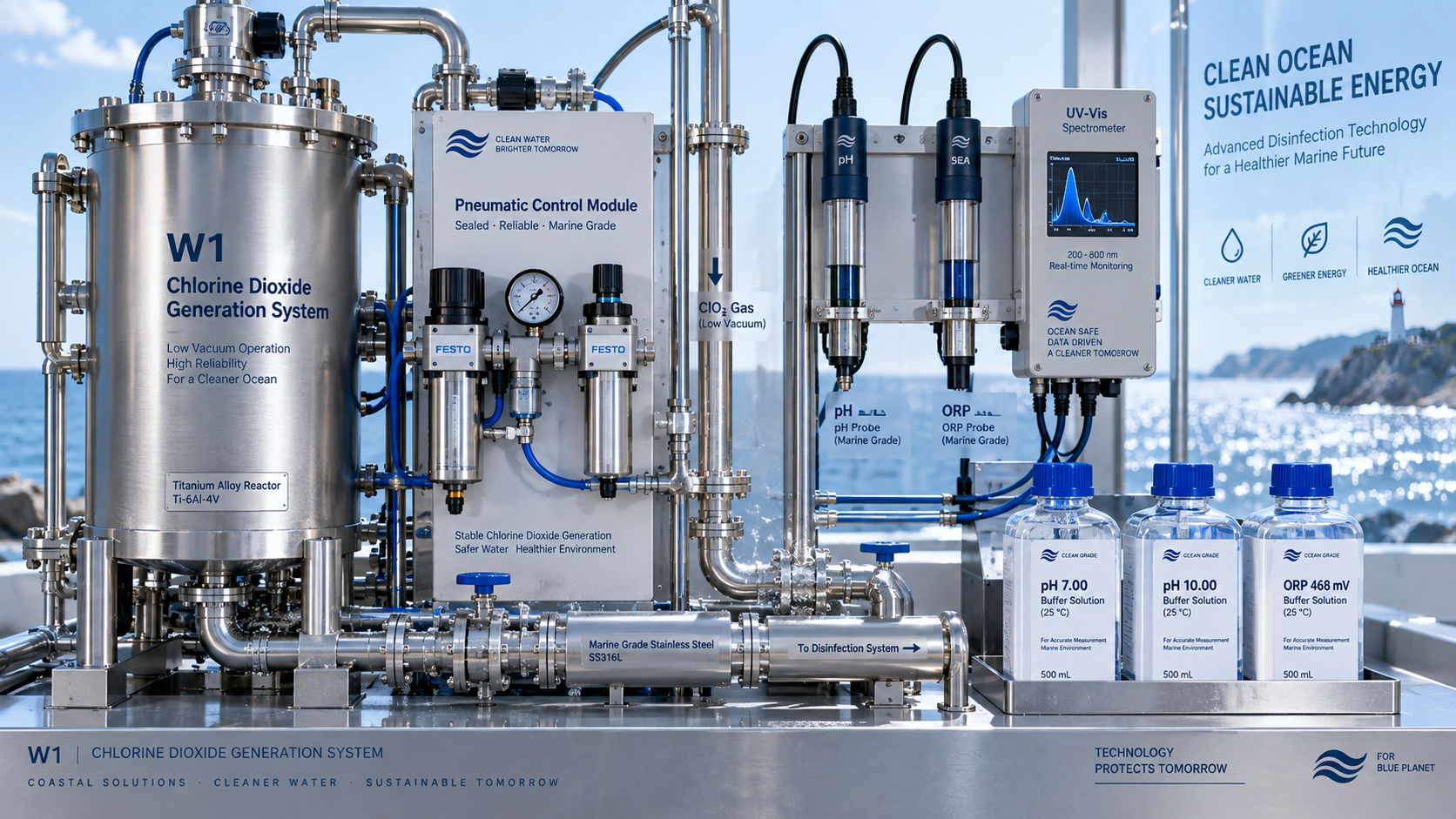
In treatment lines that also require controlled oxidation or disinfection, chemical systems should be kept operationally distinct from the coagulation train. For example, Sodium chlorite preparation technology may be considered in process designs involving chlorine dioxide generation, but chemical storage, dosing points, ventilation, reaction control, and compatibility reviews require separate engineering attention. Chlorine dioxide chemistry should not be treated as a replacement for coagulation control or magnetic solids separation.
Common Misjudgments During Design and Operation
- Assuming that a stronger magnet can compensate for poor coagulation chemistry. Magnetic force can capture responsive flocs, but it cannot reliably remove contaminants that remain dissolved or fail to form stable particles.
- Using turbidity alone as the main performance indicator. Clear effluent may still contain dissolved phosphorus, color-causing compounds, residual metals, or chemical species requiring separate analysis.
- Neglecting influent variability. Batch cleaning water, production washdown, stormwater intrusion, and changes in upstream reagents can alter pH, conductivity, oil content, and solids characteristics quickly.
- Specifying a compact separator without considering sludge dewatering capacity. High-rate clarification shifts solids out of the water phase rapidly, so downstream sludge equipment must accommodate the resulting loading pattern.
Routine maintenance includes inspection of mixers, chemical dosing pumps, magnetic separator surfaces, scraper elements, wash-water lines, flow meters, and instrument calibration. Magnetic seed inventory should be reconciled periodically against sludge losses and make-up quantities. Abrasion from sand or mineral solids may wear separator components, while biological growth or oily deposits can reduce the efficiency of wash systems. A planned shutdown sequence is preferable to waiting until accumulated solids cause unstable effluent quality.
Magnetic coagulation wastewater treatment is most effective when it is designed around actual wastewater chemistry, solids behavior, hydraulic variation, and sludge management constraints. Bench tests and pilot observations can establish reasonable starting conditions, but long-term operation should retain enough flexibility for adjustment. Stable treatment comes from coordinated control of reaction chemistry, magnetic seed circulation, separation equipment, and downstream residuals handling.



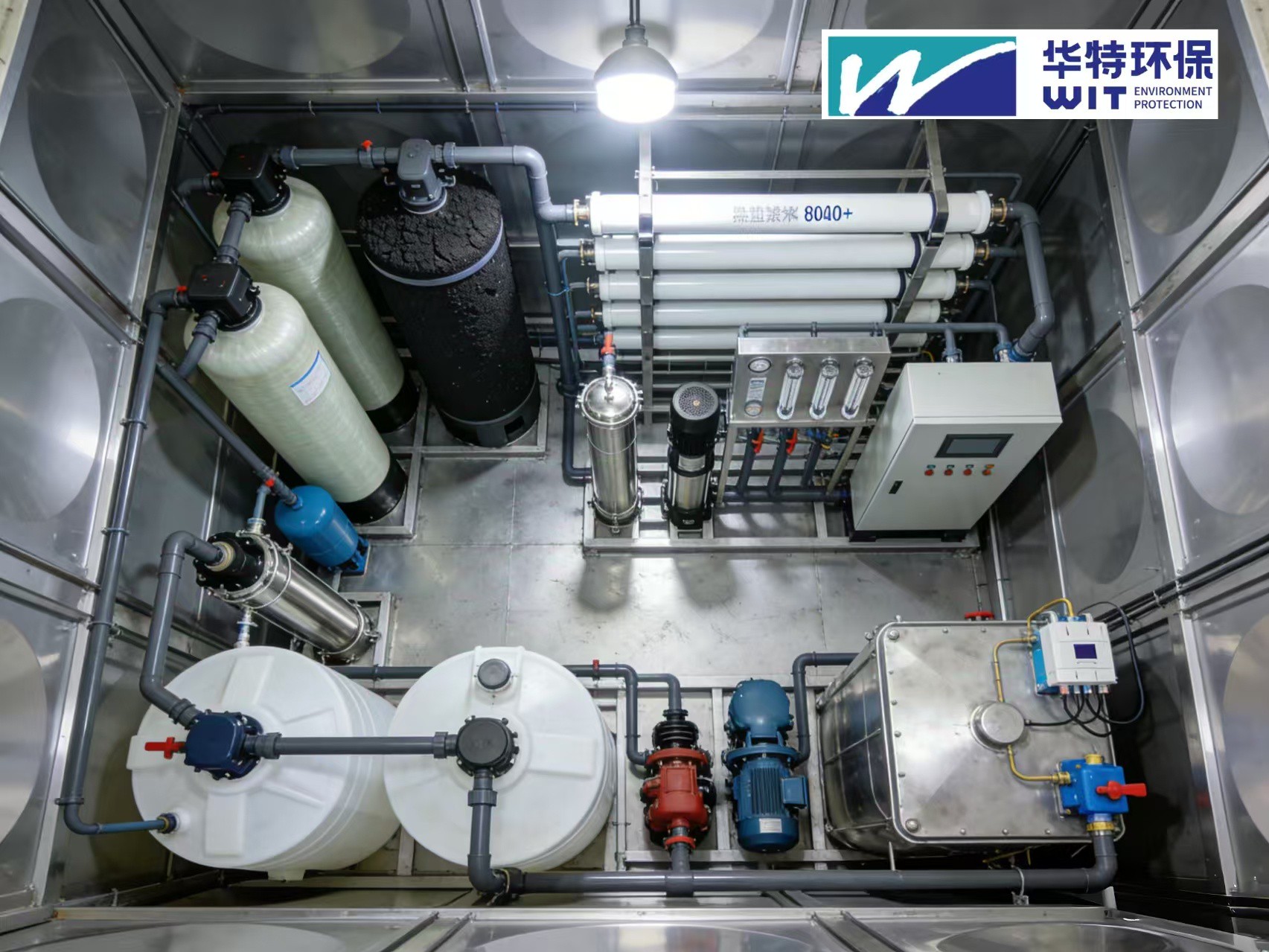
 What pretreatment requirements must be met before feeding raw water to Large-Scale Integrated Skid-Mounted Water Purification Treatment Equipment?
 What scalability limitations exist for Large-Scale Integrated Skid-Mounted Water Purification Treatment Equipment in phased expansion projects?
 What footprint reduction does Large-Scale Integrated Skid-Mounted Water Purification Treatment Equipment deliver versus conventional concrete plants?
 How ConstantPressure Water Supply Skid-Mounted Equipment avoids water hammer during pump start-up in district heating networks
 chlorine dioxide preparation technology in coastal desalination plants?") What maintenance intervals are validated for W1 type (low negative pressure) chlorine dioxide preparation technology in coastal desalination plants?
What maintenance intervals are validated for W1 type (low negative pressure) chlorine dioxide preparation technology in coastal desalination plants? Does Large-Scale Integrated Skid-Mounted Water Purification Treatment Equipment include redundant control logic for SCADA integration?
GET A FREE QUOTE
Service Commitment: Upon receipt of your message, a dedicated representative will contact you as soon as possible to provide efficient and professional service support.
