







MBR Wastewater Treatment System
An MBR Wastewater Treatment System combines biological degradation with membrane-based solid-liquid separation. For municipalities, industrial facilities and aquaculture operators, the attraction is not simply a smaller treatment plant: it is the ability to achieve more stable effluent quality where discharge limits are tightening, land is constrained, or treated water has practical reuse value. The technology can be highly effective, but its commercial and operating results depend on influent control, membrane management and a realistic view of lifecycle cost.
Why MBR is gaining attention in wastewater projects
Conventional activated-sludge systems rely on secondary clarifiers to separate treated water from biomass. Their performance can be affected by sludge settling characteristics, hydraulic surges and seasonal operating changes. An MBR system replaces that clarification step with microfiltration or ultrafiltration membranes. The membrane barrier retains suspended solids and most biomass in the bioreactor, producing a much clearer permeate than a typical secondary effluent.
This configuration changes several project assumptions. Because biomass concentration can be maintained at a relatively high level, an MBR plant can often provide equivalent treatment capacity in a smaller footprint than a conventional biological process. It can also support effluent polishing suitable for many non-potable reuse applications after the required disinfection and site-specific treatment steps are added.
The market case is particularly strong in urban expansion zones, industrial parks undergoing capacity upgrades, decentralized treatment sites, water-scarce regions and facilities where a conventional clarifier would consume too much land. In aquaculture wastewater treatment, the system can be useful where organic matter, suspended solids and nutrient control must be managed within a compact operating area.
Yet membrane separation does not remove the need for disciplined biological treatment. It makes the process more controllable in some respects, while making poor upstream management more visible and costly.
What an MBR system can—and cannot—solve
A well-designed MBR Wastewater Treatment System is generally effective for reducing biochemical oxygen demand, chemical oxygen demand fractions that are biologically degradable, suspended solids and ammonia nitrogen. With suitable process design, it may also support nitrogen removal through nitrification and denitrification. The membrane itself acts as a physical barrier for solids and microbial biomass, helping deliver consistently low-turbidity effluent.
However, MBR is sometimes incorrectly treated as a universal answer to difficult wastewater. It is not a substitute for source control or pretreatment. High oil and grease loads, abrasive solids, fibers, excessive salinity, toxic chemical shocks, heavy metals, scale-forming constituents and poorly characterized surfactants can compromise biological activity or accelerate membrane fouling.
Industrial wastewater requires particular caution. A wastewater stream may show an acceptable average COD value while containing intermittent compounds that inhibit microorganisms. Another stream may contain COD that is largely non-biodegradable; biological residence time alone will not solve this problem. In such cases, equalization, pH adjustment, oil separation, coagulation, advanced oxidation, adsorption or other pretreatment measures may be needed before wastewater reaches the membrane bioreactor.
The practical question is therefore not, “Can MBR treat this wastewater?” It is, “What treatment train is required to protect the biology and membrane while meeting the specified discharge or reuse target?”
Influent variability is usually the decisive design issue
Many underperforming projects are not caused by the membrane module itself. They result from a design basis built on incomplete wastewater characterization. For a municipal project, daily peak flow, infiltration, stormwater intrusion and future population loading matter as much as annual average flow. For an industrial facility, batch discharges, cleaning cycles, production changes and shutdown conditions may have greater significance than the nominal design capacity.
A credible design review should examine at least the following conditions:
- flow range, peak factors and equalization capacity;
- COD, BOD, ammonia, total nitrogen, phosphorus and suspended solids;
- pH, temperature, salinity, conductivity and alkalinity;
- oil, grease, fibers, inorganic particles and scaling potential;
- toxicity or inhibition risks from process chemicals;
- the required standard for discharge, reuse or downstream polishing.
These factors determine reactor volume, aeration demand, membrane flux, cleaning frequency, sludge production and the need for pretreatment. They also affect whether the plant should use submerged membranes or an external side-stream arrangement. Submerged configurations are common where energy efficiency and compact integration are priorities. Side-stream systems may be considered in selected industrial applications, but their higher circulation energy must be evaluated against operating requirements.
The trade-off behind compact footprint and high effluent quality
MBR systems offer clear advantages, but they transfer part of the investment from civil infrastructure to electro-mechanical equipment and operating discipline. A smaller footprint can reduce land and construction pressure, especially in retrofit projects. At the same time, membrane aeration, permeability monitoring, chemical cleaning and periodic membrane replacement become central lifecycle considerations.
Energy consumption should not be assessed from a single headline figure. Aeration for biological oxidation often represents a major load in any activated-sludge system; MBR also requires air scouring or related measures to control fouling. The actual energy profile depends on influent strength, nutrient-removal targets, temperature, membrane flux, blower efficiency, control logic and the degree of flow fluctuation.
Membrane life is similarly not fixed by a brochure specification. It is influenced by feedwater quality, pretreatment performance, cleaning practices, physical damage risk and operational stability. Procurement decisions should therefore distinguish between the initial membrane price and the long-term cost of maintaining design permeability. A lower capital quotation may prove expensive if it omits robust screening, equalization, standby equipment, automation or cleaning infrastructure.
Fouling management should be designed, not improvised
Membrane fouling is an expected operational phenomenon, not necessarily a sign that the technology has failed. The relevant issue is whether fouling is controlled within the operating envelope assumed by the design. Transmembrane pressure, permeability trends, filtration-relaxation cycles, air-scour performance and cleaning records should be monitored together rather than in isolation.
Operators often face problems when they push flux beyond a sustainable range in pursuit of short-term capacity. This may increase output temporarily but can cause a rapid pressure rise, more frequent chemical cleaning and shortened membrane service life. A conservative flux design, sufficient membrane redundancy and adequate equalization are usually more valuable than a nominally high throughput figure.
Mechanical pretreatment is equally important. Fine screening protects membrane modules from hair, rags, plastics, fibers and other debris that can accumulate in the tank or interfere with membrane operation. In wastewater with high oil content or colloidal solids, upstream separation and chemical treatment may be required to reduce the fouling burden before biological treatment.
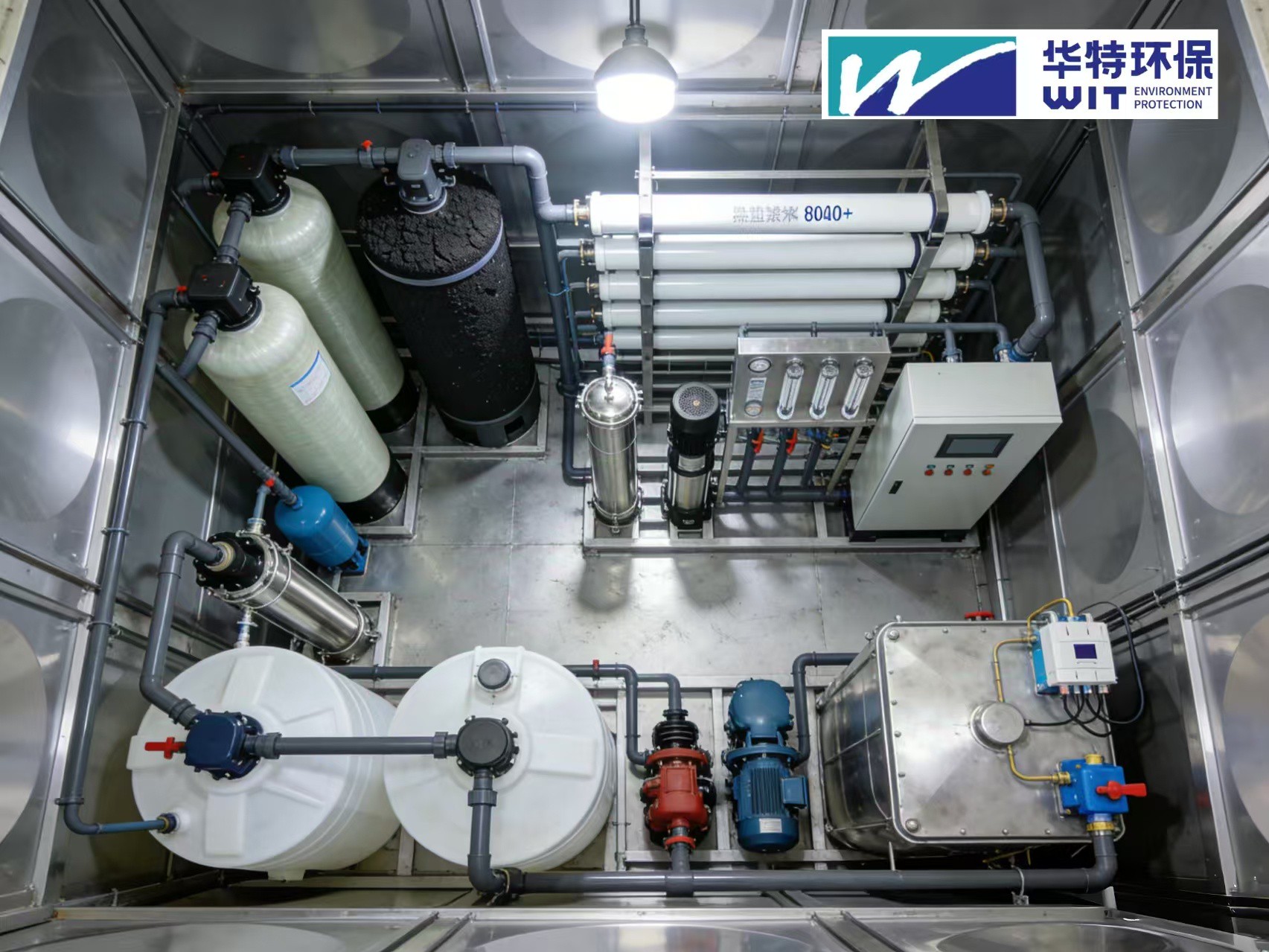
For sites with difficult influent characteristics or severe space limitations, compact auxiliary equipment can be valuable during pretreatment or polishing stages. A Skid mounted Rare Earth Separation and Purification Equipment/Skid mounted Magnetic Flocculation Unit may be considered where rapid solid-liquid separation and modular installation fit the overall treatment strategy. Its relevance should be assessed against actual solids characteristics and sludge-handling arrangements, rather than added as a generic upgrade.
How to assess suitability before committing to MBR
The strongest candidates for MBR are projects where one or more constraints are genuine: limited land, stringent effluent expectations, a need for water reuse, unreliable settling in an existing activated-sludge system, or a need to expand capacity without building extensive new clarifiers. It can also be a sound retrofit route when civil structures are available but conventional separation performance has become a limiting factor.
MBR may be less attractive where land is inexpensive, discharge requirements are modest, influent is stable and conventional biological treatment can meet compliance targets with lower operating complexity. It may also be a poor first choice for highly variable industrial wastewater unless equalization and pretreatment have been proven through testing.
Decision-makers should request a process proposal that states the influent assumptions, effluent guarantees, membrane flux basis, redundancy philosophy, chemical-cleaning regime, expected sludge characteristics and exclusions. If reuse is part of the project, the proposal should clarify what additional treatment is required for the intended use. MBR permeate is high-quality water, but reuse standards can still require disinfection, nutrient control, activated carbon, reverse osmosis or other barriers depending on local requirements and end use.
Engineering capability matters beyond equipment supply
An MBR plant is an integrated process system, not simply a membrane package. Successful delivery requires coordination among civil works, hydraulic design, biological process control, membrane equipment, blowers, instrumentation, electrical systems, sludge treatment and commissioning. The handover period is especially important because biological systems need time and operational adjustment to reach stable conditions.
For cross-border projects, this integration should include local power conditions, chemical availability, spare-parts lead times, operator skill levels and remote support arrangements. A membrane system designed around chemicals or replacement components that are difficult to source locally can create avoidable operational risk. Clear documentation, operator training and data-based commissioning plans are often more consequential than small differences in equipment pricing.
Environmental engineering companies with experience across municipal, industrial and ecological treatment projects are increasingly expected to provide this wider project perspective. Shandong Wit Environmental Protection Technology Co., Ltd., for example, combines wastewater treatment engineering experience with technology development and integrated environmental solutions. For buyers evaluating complex wastewater projects, the relevant issue is whether the engineering partner can connect treatment performance to actual site conditions, construction constraints and long-term operation.
Where the market is heading
MBR adoption is likely to remain linked to water reuse, urban land pressure, discharge compliance and industrial upgrading rather than to a one-size-fits-all technology shift. The next phase of competition will be less about claiming high membrane performance and more about reducing energy demand, improving automation, extending stable operating periods and making treatment systems easier to operate under variable loads.
The most successful MBR projects will be those selected for the right reasons: a defined water-quality objective, verified influent data, realistic lifecycle budgeting and an operating model capable of maintaining the membrane-biological balance. Used in that context, MBR is not merely a compact treatment option; it is a practical platform for more reliable wastewater management and higher-value water recovery.



 What pretreatment requirements must be met before feeding raw water to Large-Scale Integrated Skid-Mounted Water Purification Treatment Equipment?
 What scalability limitations exist for Large-Scale Integrated Skid-Mounted Water Purification Treatment Equipment in phased expansion projects?
 What footprint reduction does Large-Scale Integrated Skid-Mounted Water Purification Treatment Equipment deliver versus conventional concrete plants?
 How ConstantPressure Water Supply Skid-Mounted Equipment avoids water hammer during pump start-up in district heating networks
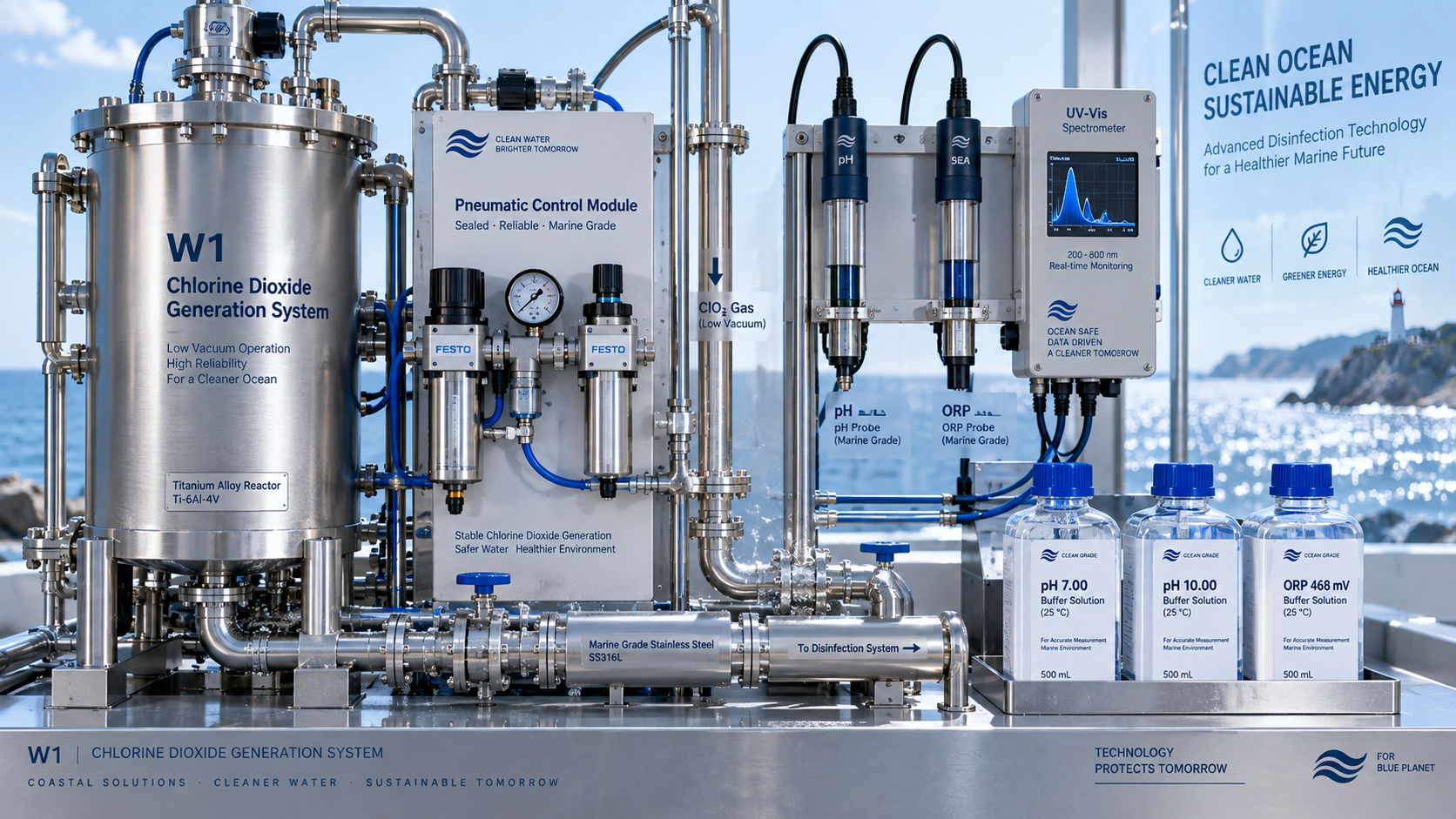
 chlorine dioxide preparation technology in coastal desalination plants?") What maintenance intervals are validated for W1 type (low negative pressure) chlorine dioxide preparation technology in coastal desalination plants?
What maintenance intervals are validated for W1 type (low negative pressure) chlorine dioxide preparation technology in coastal desalination plants? Does Large-Scale Integrated Skid-Mounted Water Purification Treatment Equipment include redundant control logic for SCADA integration?
GET A FREE QUOTE
Service Commitment: Upon receipt of your message, a dedicated representative will contact you as soon as possible to provide efficient and professional service support.
