







MBBR Wastewater Treatment System
A treatment operator may first notice the problem during an ordinary shift: the aeration tank looks active, but the final effluent quality becomes less predictable. On some days the system appears stable; on others, suspended solids rise, ammonia removal weakens, or the clarifier becomes harder to control. This is particularly frustrating when wastewater flow and loading change throughout the day, as often happens in municipal collection systems, food processing plants, aquaculture facilities, and mixed industrial parks.
In many of these situations, adding tank volume is not realistic. Space may be limited, existing civil structures may already be in service, and shutdown time can be costly. An MBBR Wastewater Treatment System is often considered because it can increase biological treatment capacity within a relatively compact footprint. However, choosing moving bed biofilm reactor technology is not simply a matter of filling a tank with carriers. Stable performance depends on understanding the wastewater, protecting the biofilm environment, and matching the process to actual operating conditions.
When an Existing Biological Process Starts Feeling Unstable
A conventional activated sludge process relies mainly on suspended microorganisms. This can work well, but it may become sensitive when influent conditions fluctuate, sludge settling changes, or operators need to maintain a narrow balance between biomass concentration, oxygen supply, return sludge, and wasting rates. If industrial discharges enter the system intermittently, the biology may face sudden organic loads, salinity changes, pH shifts, temperature variation, or compounds that inhibit microbial activity.
MBBR technology approaches the biological stage differently. Small plastic media move freely in an aerated or mixed reactor. Microorganisms grow as biofilm on the protected internal surfaces of the carriers. Because the biomass remains attached to media rather than depending entirely on sludge settling, the process can be more resilient to certain load variations and can be applied in new installations or retrofit projects.
That does not mean every unstable plant should immediately convert to MBBR. The first useful question is more specific: is the instability caused by insufficient biological capacity, poor upstream solids control, inadequate oxygen transfer, hydraulic short-circuiting, or a wastewater characteristic that biology alone cannot address? The answer changes the design path.
Start with the Water, Not the Reactor
It is easy to focus on carrier media, reactor layout, or aeration equipment before the influent has been properly evaluated. In practice, early process decisions should be based on the nature and variability of the wastewater. A wastewater stream with a steady biodegradable organic load calls for a different approach than one containing fine mineral solids, emulsified oil, residual chemicals, color, high salinity, or irregular production discharges.
For a realistic assessment, operators and project teams usually need to review more than a single water sample. They should examine normal flow, peak flow, low-flow periods, daily shifts, seasonal variation, and production-related events. The important concern is not only average concentration but also what enters the treatment system during the most difficult hours.
Useful points to clarify include:
- whether biodegradable organics are sufficient to support the intended biological pathway;
- the relationship between organic loading and nitrogen removal requirements;
- the presence of suspended matter that could block screens, strainers, or carrier retention devices;
- pH and temperature ranges that influence biological activity;
- possible shock loads from cleaning, chemical dosing, production changes, or stormwater intrusion;
- the required discharge target and whether polishing is needed after biological treatment.
This review prevents a common mistake: asking the biological reactor to solve every problem in the water. MBBR is highly useful for biological oxidation and nutrient-removal configurations, but it should be placed within a treatment train that manages the physical and chemical characteristics of the influent.
The Process Arrangement Matters More Than a Single Piece of Equipment
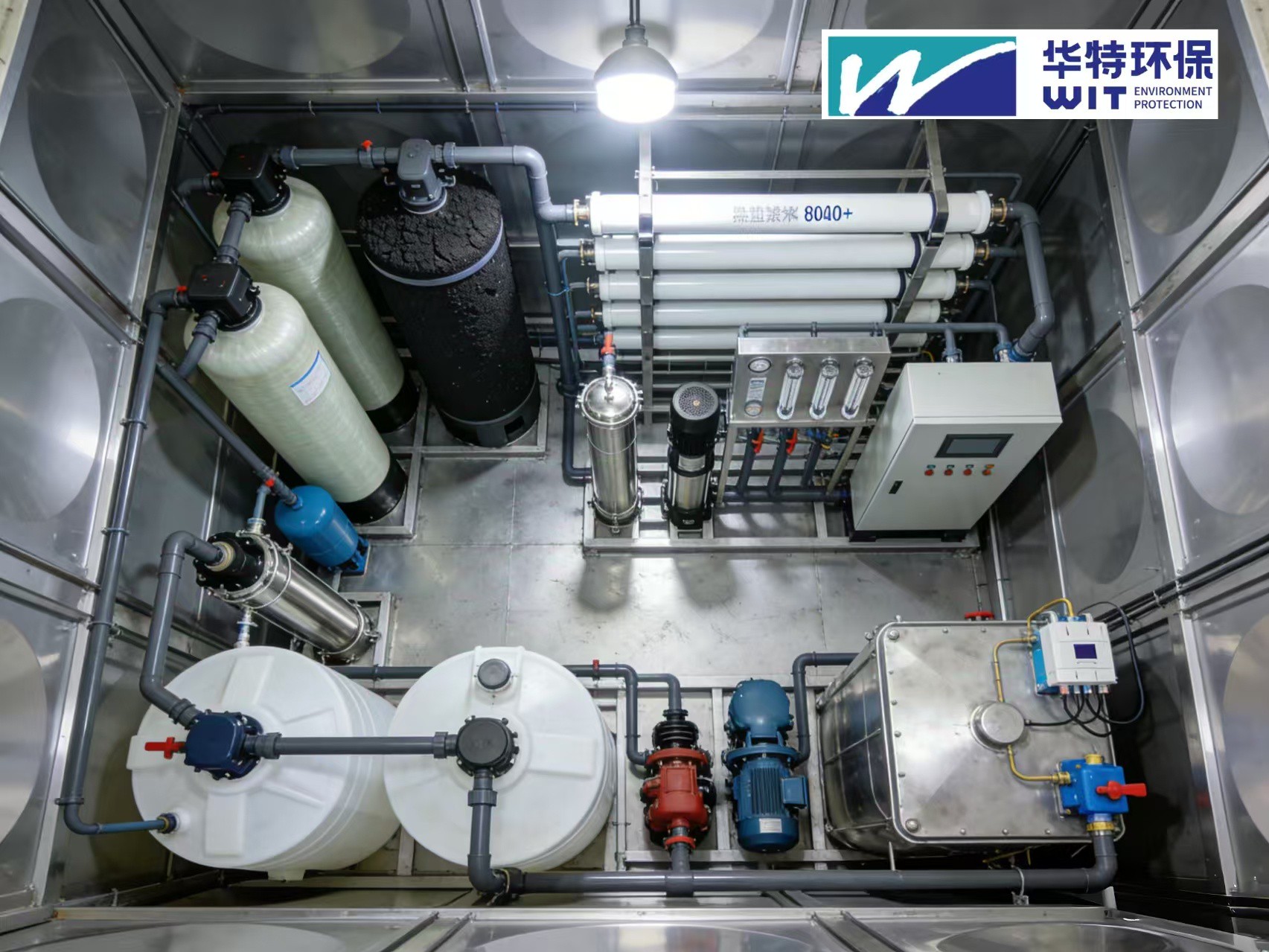
A typical MBBR Wastewater Treatment System may include screening, equalization, pH adjustment where necessary, primary solids separation, one or more biofilm reactors, carrier retention screens, aeration or mechanical mixing, and downstream clarification or filtration. The exact arrangement should follow the wastewater rather than a fixed diagram.
Equalization is especially important where flow and pollutant load are inconsistent. Without it, a reactor may receive a short but intense loading event that changes dissolved oxygen demand faster than the aeration system can respond. Equalization does not remove pollutants by itself, but it gives downstream treatment a more manageable feed and makes process control less reactive.
Upstream solids management also deserves attention. Coarse debris can damage or obstruct equipment, while excessive fine solids may accumulate in downstream units and complicate separation. In applications where fine particles, phosphorus-containing solids, or difficult-to-settle material must be reduced before the biological stage, a compact physical-chemical unit may be considered as part of the pretreatment route. Depending on the site’s treatment objective and material characteristics, a Skid mounted Rare Earth Separation and Purification Equipment/Skid mounted Magnetic Flocculation Unit can be evaluated alongside other separation options. Its role should be determined through process testing and engineering review rather than assumed from the name of the equipment.
Getting the Biofilm Stage Right
Once the influent is adequately prepared, the MBBR reactor itself requires several decisions that are closely connected. Carrier fill ratio affects the available protected surface area for biofilm growth and the movement of media inside the tank. Aeration must provide oxygen for aerobic treatment while keeping the media moving evenly. In an anoxic reactor, mixing must maintain carrier circulation without introducing unnecessary oxygen.
These conditions should not be treated separately. If aeration is selected only for oxygen demand but does not provide suitable mixing, carriers may gather in certain zones. If mixing is excessive, energy use may rise without improving treatment. If the carrier-retention screen is poorly matched to the media, maintenance difficulties can appear even when the biological process is sound.
For nitrogen removal, the reactor sequence is often more important than the total number of tanks. Wastewater may need an anoxic environment for denitrification, followed by aerobic treatment for nitrification, with internal recycle arrangements depending on the selected process. A plant that mainly needs carbon removal will not necessarily use the same configuration as one facing strict ammonia or total nitrogen control.
During startup, the temptation is to judge the process too quickly. Biofilm needs time to establish and mature. Operators should observe carrier movement, dissolved oxygen trends, influent variability, pH behavior, nitrogen forms, and downstream solids separation. Sudden operational changes made in response to one unusual reading can make interpretation harder. A better approach is to adjust one important condition at a time, document the reason, and review the trend over an appropriate operating period.
Problems That Are Often Blamed on MBBR but Begin Elsewhere
If performance declines, the carrier media is frequently the first suspect. Yet many issues originate before or after the reactor. A rise in effluent suspended solids may result from poor clarification, hydraulic surges, damaged screens, or carryover from upstream treatment. Weak ammonia removal can be related to low dissolved oxygen, insufficient alkalinity, cold conditions, toxic influent events, or inadequate aerobic volume. Odor can point to stagnant zones, overloaded pretreatment, poor ventilation, or an unintended anaerobic condition.
A practical troubleshooting sequence begins by comparing influent changes with the time at which the problem appeared. Next, confirm whether flow distribution through the treatment train has changed. Review aeration and mixing equipment, inspect carrier retention components, and check whether solids are accumulating where they should not. Only after these basic observations should the team consider deeper process modifications, such as changing carrier inventory, reactor staging, recycle flow, or chemical pretreatment.
It is also worth examining operations around the plant. A new cleaning chemical, a different production schedule, a maintenance bypass, or a change in upstream dosing can alter treatment behavior even if no one has touched the biofilm reactor. Good operational records often reveal these connections faster than isolated laboratory results.
Choosing Between Retrofit and New Construction
For an existing facility, MBBR is commonly attractive when available footprint is constrained or when an overloaded biological tank needs added capacity. A retrofit may involve converting a suitable basin, upgrading aeration, installing media-retention arrangements, and revising downstream separation. Before proceeding, the structure should be reviewed for hydraulic suitability, access for maintenance, ventilation needs, and the ability to manage media during inspection or repair.
For a new project, the advantage is greater freedom to arrange equalization, pretreatment, biological stages, and polishing in a coordinated manner. Even then, compactness should not become the only design objective. A plant also needs clear access routes, spare capacity where appropriate, safe maintenance conditions, reliable controls, and a strategy for handling abnormal influent.
The most dependable MBBR Wastewater Treatment System is therefore not defined only by the media or reactor. It is defined by a treatment line that recognizes the wastewater’s real behavior, separates problems at the right stage, and gives operators enough visibility to respond before a small disturbance becomes a discharge-quality issue.
When evaluating options, focus on the questions that affect long-term operation: what changes in the influent are most likely, where will solids be removed, how will oxygen and mixing be maintained, what happens during peak flow, and which parameters will guide routine adjustments? Answering those questions early leads to a system that is easier to operate, easier to troubleshoot, and better suited to the environmental responsibility it is intended to support.



 What pretreatment requirements must be met before feeding raw water to Large-Scale Integrated Skid-Mounted Water Purification Treatment Equipment?
 What scalability limitations exist for Large-Scale Integrated Skid-Mounted Water Purification Treatment Equipment in phased expansion projects?
 What footprint reduction does Large-Scale Integrated Skid-Mounted Water Purification Treatment Equipment deliver versus conventional concrete plants?
 How ConstantPressure Water Supply Skid-Mounted Equipment avoids water hammer during pump start-up in district heating networks
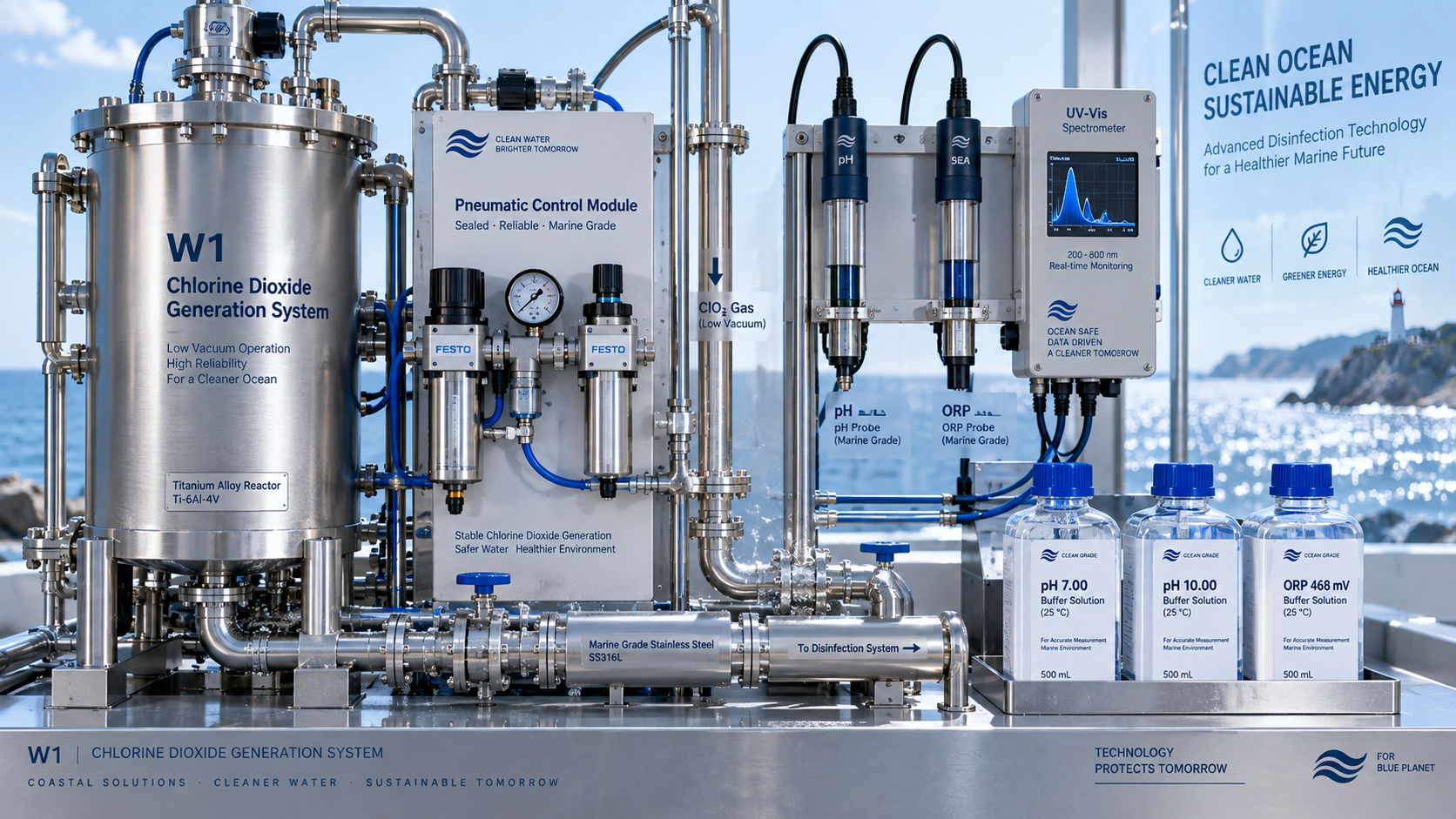
 chlorine dioxide preparation technology in coastal desalination plants?") What maintenance intervals are validated for W1 type (low negative pressure) chlorine dioxide preparation technology in coastal desalination plants?
What maintenance intervals are validated for W1 type (low negative pressure) chlorine dioxide preparation technology in coastal desalination plants? Does Large-Scale Integrated Skid-Mounted Water Purification Treatment Equipment include redundant control logic for SCADA integration?
GET A FREE QUOTE
Service Commitment: Upon receipt of your message, a dedicated representative will contact you as soon as possible to provide efficient and professional service support.
