







Automatic Dosing System for Wastewater Treatment
Automatic Dosing System for Wastewater Treatment: Building Control into Chemical Management
An Automatic Dosing System for Wastewater Treatment is essential for improving chemical dosing accuracy, treatment stability, and operational efficiency across municipal and industrial applications. By automatically monitoring and controlling the addition of treatment chemicals, it helps reduce manual intervention, optimize consumption, and support compliant effluent quality. Backed by sound environmental engineering, an integrated dosing approach can provide dependable performance even when influent conditions are far from constant.
The point is not simply to replace an operator turning a pump on and off. Wastewater chemistry changes with production shifts, rainfall, temperature, wastewater composition, hydraulic loading, and upstream process upsets. A dosing system that relies only on a fixed pump setting may work during a calm operating period, then become a source of excessive chemical use, unstable pH, poor coagulation, or inconsistent disinfection when conditions change.
Why manual dosing often becomes a treatment risk
Manual dosing is sometimes adequate for small, stable facilities, particularly where operators can observe the process closely. It becomes less reliable when a plant handles variable industrial wastewater, multiple chemical agents, extended operating hours, or strict discharge requirements. The problem is usually not operator commitment. It is that manual decisions are made intermittently, while wastewater conditions can change between checks.
Overdosing can increase operating cost and create downstream problems. Excess coagulant may raise sludge production; unsuitable acid or alkali dosing can push pH beyond the preferred range for biological treatment; excessive oxidant can create unnecessary chemical demand. Underdosing has its own consequences, including weak floc formation, poor phosphorus removal, insufficient disinfection, or a final effluent that no longer meets the plant’s intended treatment target.
An automatic system introduces repeatability. It can receive signals from flow meters, pH meters, ORP instruments, residual disinfectant analyzers, turbidity meters, or other relevant process instruments, then adjust a dosing pump according to a defined control logic. The appropriate signal depends on the chemical and process objective. There is no universal controller setting that suits every wastewater stream.
What a practical dosing system needs to control
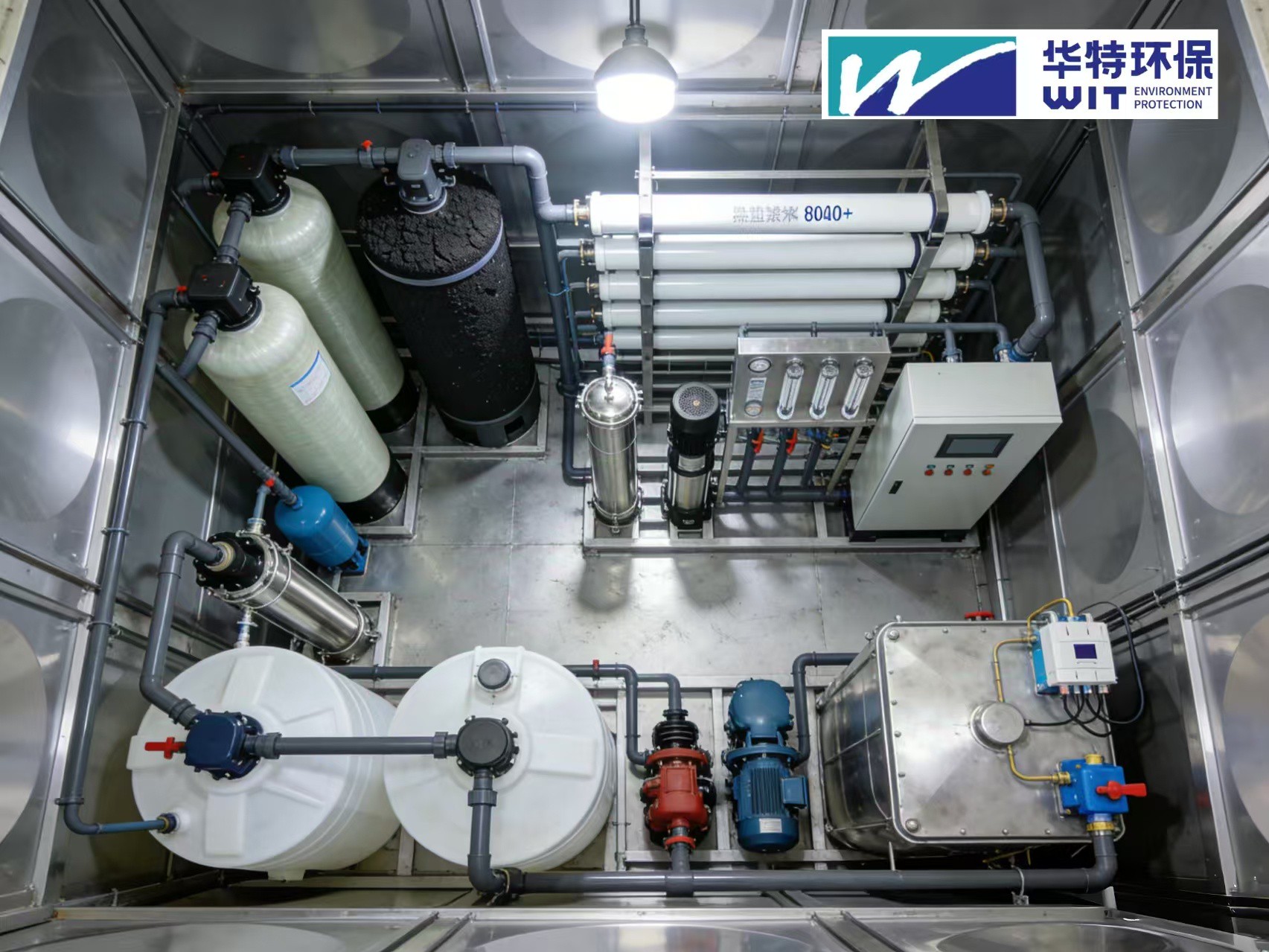
A complete chemical dosing package normally includes chemical storage, transfer arrangements, solution preparation where required, metering pumps, injection points, mixers or static mixing sections, instruments, control panels, safety measures, and connections to the plant’s wider automation system. The equipment list matters, but the process relationship between these elements matters more.
For example, flow-proportional dosing may be a sensible starting point for relatively consistent influent. However, flow alone cannot account for changes in alkalinity, pollutant concentration, or reaction demand. A pH-feedback loop may be more suitable for neutralization, while coagulation and flocculation often require jar testing, operational observation, and carefully selected control parameters. Disinfection requires particular care because contact time, water quality, target microorganisms, and residual management all affect the final design.
Selection begins with the wastewater, not the pump
A frequent procurement mistake is to specify pump capacity before defining the chemistry and operating envelope. The system should be selected after reviewing influent flow variation, expected chemical concentration, dosing range, required turndown, tank arrangement, available utilities, installation environment, and the consequences of a dosing interruption. A municipal plant with fairly predictable influent may need a different control philosophy from a printing and dyeing facility, an aquaculture project, or a plant treating intermittent batch discharges.
Chemical compatibility deserves equal attention. Wetted parts, seals, tubing, valves, tank materials, ventilation arrangements, and spill containment should be assessed against the actual chemical solution. This is especially relevant for oxidizing agents, acids, alkalis, and chemicals that may release gases or degrade unsuitable materials. The safest arrangement is not necessarily the most complex one; it is the one that allows safe delivery, clear maintenance access, dependable containment, and understandable operating procedures.
Redundancy also needs a realistic discussion. Duty-and-standby pumps may be justified where dosing is critical to compliance or continuous operation. Yet redundant hardware cannot compensate for an unreliable analyzer, blocked injection quill, empty chemical tank, or poorly maintained calibration routine. A useful design considers these failure modes from the beginning and provides alarms for low level, loss of flow, pump fault, analyzer deviation, and communication failure where required.
Automation is only as good as measurement and maintenance
Online instruments make automated dosing possible, but they are not maintenance-free. pH electrodes can foul, analyzers can drift, sample lines can clog, and sensors may respond slowly if installed in poor locations. A well-designed system therefore includes practical calibration access, flushing or cleaning provisions where needed, manual verification points, and a control strategy that responds safely when the primary measurement becomes unreliable.
Operators should also be able to understand why the control system changed the dose. Clear trending of flow, measured values, pump speed, alarms, and manual overrides helps a plant distinguish a real wastewater event from an instrument issue. This is particularly valuable during commissioning, when dose curves and control limits are refined using actual site conditions rather than assumptions made during design.
In many projects, the best outcome comes from treating dosing as part of the whole treatment train. Chemical addition affects solids separation, biological performance, sludge handling, odor control, water reuse potential, and energy demand. That wider view is consistent with Green circular development and reuse: wastewater treatment decisions should consider resource use and downstream impacts, rather than only the immediate dosing point.
From equipment supply to process integration
Shandong Wit Environmental Protection Technology Co., Ltd. approaches wastewater treatment through process integration, combining technology research, engineering consultation, achievement transformation, and general contracting capability. Affiliated with the State-owned Assets Supervision and Administration Commission of Shandong Province, the company works across municipal, industrial, and aquaculture wastewater treatment, alongside ecological restoration, soil remediation, and constructed wetland development.
Its experience in chlorine dioxide production equipment is relevant when oxidation and disinfection requirements need to be considered alongside dosing control, chemical preparation, site safety, and treatment performance. The company’s technical development has also been supported by cooperation with Shandong University and other research institutions. For a project owner, this kind of multidisciplinary background can be useful because the dosing system is assessed in relation to influent characteristics, treatment objectives, and the complete engineering interface—not as an isolated skid.
Before finalizing an Automatic Dosing System for Wastewater Treatment, project teams should confirm the wastewater profile, peak and minimum flow conditions, chemical handling constraints, required control signals, target discharge or reuse conditions, and maintenance responsibilities. Those details determine whether automation will genuinely stabilize the process or simply automate an unsuitable dosing method.



 What pretreatment requirements must be met before feeding raw water to Large-Scale Integrated Skid-Mounted Water Purification Treatment Equipment?
 What scalability limitations exist for Large-Scale Integrated Skid-Mounted Water Purification Treatment Equipment in phased expansion projects?
 What footprint reduction does Large-Scale Integrated Skid-Mounted Water Purification Treatment Equipment deliver versus conventional concrete plants?
 How ConstantPressure Water Supply Skid-Mounted Equipment avoids water hammer during pump start-up in district heating networks
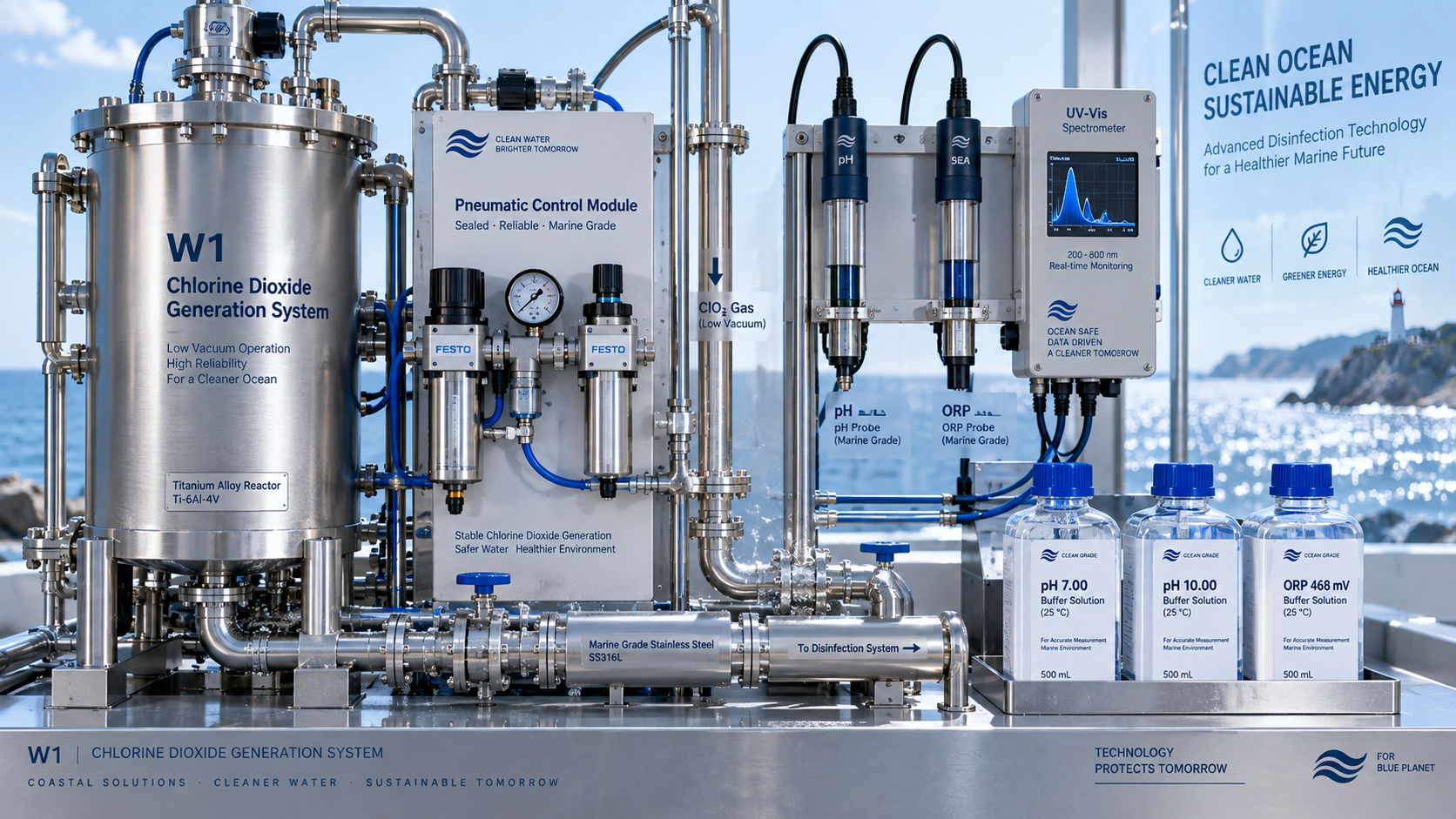
 chlorine dioxide preparation technology in coastal desalination plants?") What maintenance intervals are validated for W1 type (low negative pressure) chlorine dioxide preparation technology in coastal desalination plants?
What maintenance intervals are validated for W1 type (low negative pressure) chlorine dioxide preparation technology in coastal desalination plants? Does Large-Scale Integrated Skid-Mounted Water Purification Treatment Equipment include redundant control logic for SCADA integration?
GET A FREE QUOTE
Service Commitment: Upon receipt of your message, a dedicated representative will contact you as soon as possible to provide efficient and professional service support.
